

What Is The Buying And Selling A House Process, Cost, And Timeline
Are you curious about how to manage buying and selling a house at the same time? So, it is a challenging process, and you alone cannot handle it. For this purpose, hire experienced real estate agents and solicitors to guide you through every step and to handle the paperwork. They can also help you to manage property chains, avoid delays, and make the entire process smoother and less stressful.
What Does Buying and Selling a House Simultaneously Involve?
It means you are managing two major transactions on parallel timelines. Because you have to accomplish both deals at the same time. This will help you to move straight from your old home into your new one. It requires careful timing between estate agents, solicitors, and mortgage lenders to keep everything aligned. With proper planning & professional support, you can navigate both processes smoothly.

Step-by-Step Guide To Buying A House
Let’s take a look at the steps involved when you are buying a property in London :
Finances & Mortgage Approval
When you are buying a home, you have to analyse your finances. Because you have to spend over £5,000 on fees to buy a house. For this purpose, speak with the lender to take the mortgage in principle. You can get a mortgage approval if your equity amount is not enough to buy a new home. This will help to avoid delays, stay within budget in the buying process.
Finding the Right Property
It is the most important step to buy a house because you spend your money to get the right property. You have to choose the best location where your invested money is not wasted. Do the proper research on the neighbourhood, schools, transport links, and potential resale value. Visiting and comparing the multiple property options will help you make an informed decision.
Making an Offer & Negotiation Tips
Once you have selected the right property, make an offer on it. Use recent sales data and local market trends to determine a realistic price, then craft an offer that leaves a bit of room for negotiation.
Legal Process
To complete the legal process, hire a solicitor or conveyancer who will guide you properly through the paperwork and consultations. They will also carry out property searches, review contracts, and ensure there are no hidden issues.
Exchange & Completion
After the legal process, the next step is the exchange and completion of the purchase of a house. At this moment, both the buyer and seller sign legally binding agreements, and a deposit (usually 10%) is paid. Both decide the date at which the buyer will pay the remaining amount for the house, and then will get the key.

Step-by-Step Guide To Selling A House
1. Valuation & Understanding What Your House is Worth
The first step to sell your house is to know its worth and value. You can make an idea by comparing recent sales of similar properties in your area. Consider these factors, like location, size, and condition, to get a realistic estimate. It will help you to know the value of your property and make further decisions easily.
2. Preparing Your Home for Sale
The next step after estimating the house is to prepare your home for sale. For this purpose, repair your house if it needs to be repaired. Simple updates like a fresh coat of paint, fixed fixtures, and a neat garden background help make the home more attractive. It gives the potential buyers and often results in quicker sales.
3. Choosing How to Sell
Now you have to plan how to sell the house. Decide if you want to use an estate agent or sell it privately, and choose the method that fits your budget. This helps make the process easier and more organised.
4. Legal Requirements
You have to follow the legal duties properly to sell a house. This includes preparing the contract and providing the necessary property information. You must make sure all paperwork is accurate and complete before the sale.
5. Accepting an Offer, Negotiations, and Finalising Sale
When your paperwork is done, and is now listed in the market. The real buyers will start making offers and negotiating the price. You can review each offer carefully and decide which one meets your expectations before finalising the sale.
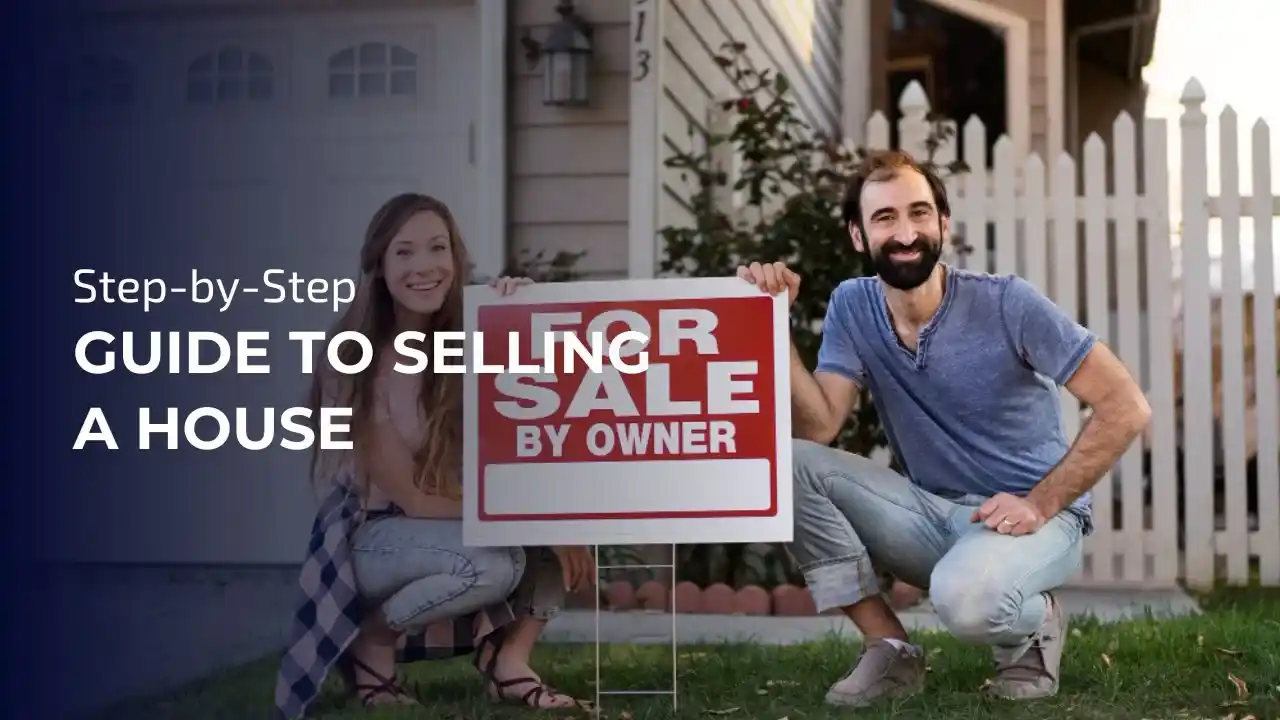
Pros and Cons of Buying And Selling A House
Buying and selling property for profit simultaneously can save time and help you move directly into your new home, but it also comes with risks.
Pros:
- You can coordinate moving dates and avoid temporary rentals.
- It helps you avoid paying for temporary accommodation or storage.
- It keeps your life and schedule aligned with one move.
Cons:
- Delays or issues in the property chain can affect both transactions.
- Financial pressure from juggling two mortgages or deposits.
- Increased stress and complexity compared to handling one transaction at a time.
Careful planning with experienced agents while staying flexible helps give the benefits and avoid risks.

Mortgage Fees And Costs When Buying Or Selling A Home
Mortgage fees and their cost for buying and selling a house are explained in the table below in detail:
| Fees | Cost |
| Mortgage Arrangement | £0 – £2,000 |
| Mortgage Booking, Application Fee | £100 – £300 |
| Valuation Fee (Lender’s property value check) | £150 – £800 (or up to ~£1,500 for high-value homes) |
| Inspection Fees | £400 – £1,500 |
| Legal Fees | £850 – £1,500 (often £500-£1,500) |
| Land Registry / Search / Disbursements | £40 – £300 |
| Stamp Duty or Property Transfer Tax | Varies – from 0% up to 12% depending on property value |
| Relocation Costs | £400 – £1,400 depending on volume & distance |

Common Problems When buying and selling a house
Common problems that help you plan and unexpected costs are given below:
- Delays in the property chain can hold up both transactions.
- Issues uncovered during property surveys or inspections
- Disagreements over property valuations
- Financial pressure from overlapping mortgages or deposits
- Legal or paperwork errors that cause delays
- Stress and uncertainty from coordinating buying and selling simultaneously

Conclusion
Managing the buying and selling a house simultaneously can be challenging. But with careful planning, professional guidance, and flexibility, the process can be smooth and rewarding. If you know the costs, risks, and common problems, then it will help you make smart decisions when buying and selling a property. As you upgrade or downsize, the right preparation and mindset will help you achieve your real estate goals smoothly.
Frequently Asked Questions
Yes, it is possible, but it can be risky. You may need extra funds to cover two mortgages temporarily. Planning carefully and discussing with your agent helps to manage this.
The main benefit is moving smoothly without temporary housing. Risks include delays, chain problems, and financial pressure if either transaction takes longer.
If the chain collapses, your move may be delayed, or costs could rise. Having a backup plan and staying in contact with all parties helps reduce the impact.
It usually takes 2 to 4 months, but delays are common. Legal checks, mortgage approval, and negotiations can affect timing.
Minor repairs and cleaning are usually enough. Staging the home neatly can attract buyers and help secure a better price.
Communicate clearly with all parties, including your agent, solicitor, and lender. Make sure your paperwork is complete and submitted on time. Staying organised and flexible helps prevent unnecessary delays.
Apart from the main price, costs can include legal fees, surveys, and stamp duty. You may also face moving expenses, repairs, or renovations. Planning for these in advance avoids surprises and keeps your budget on track.
To reduce stress when buying and selling, hire experienced agents and solicitors and plan each step carefully. Stay organised, communicate clearly, and knowing what to expect helps you handle the process with less pressure.
Before buying a home, check the property’s condition, legal status, and survey results carefully for accuracy. Look for hidden problems, potential repairs, and future maintenance needs to avoid surprises after moving in.
Our Agents

Adil Saleem

Qaiser Masood

Rizwan Ashraf
Leave a Reply