
Growing Vegetables Indoors In Pots & Winter With or Without Sunlight
Have you ever wanted to grow your own fresh vegetables but don’t have an outdoor garden? Don’t worry, with the right setup, you can easily grow healthy produce indoors all year round. This beginner’s guide makes the process simple and practical, much like how a Real Estate Agent UK helps you find the ideal space, you’ll learn how to create the perfect indoor environment for your plants.
How to grow vegetables indoors?
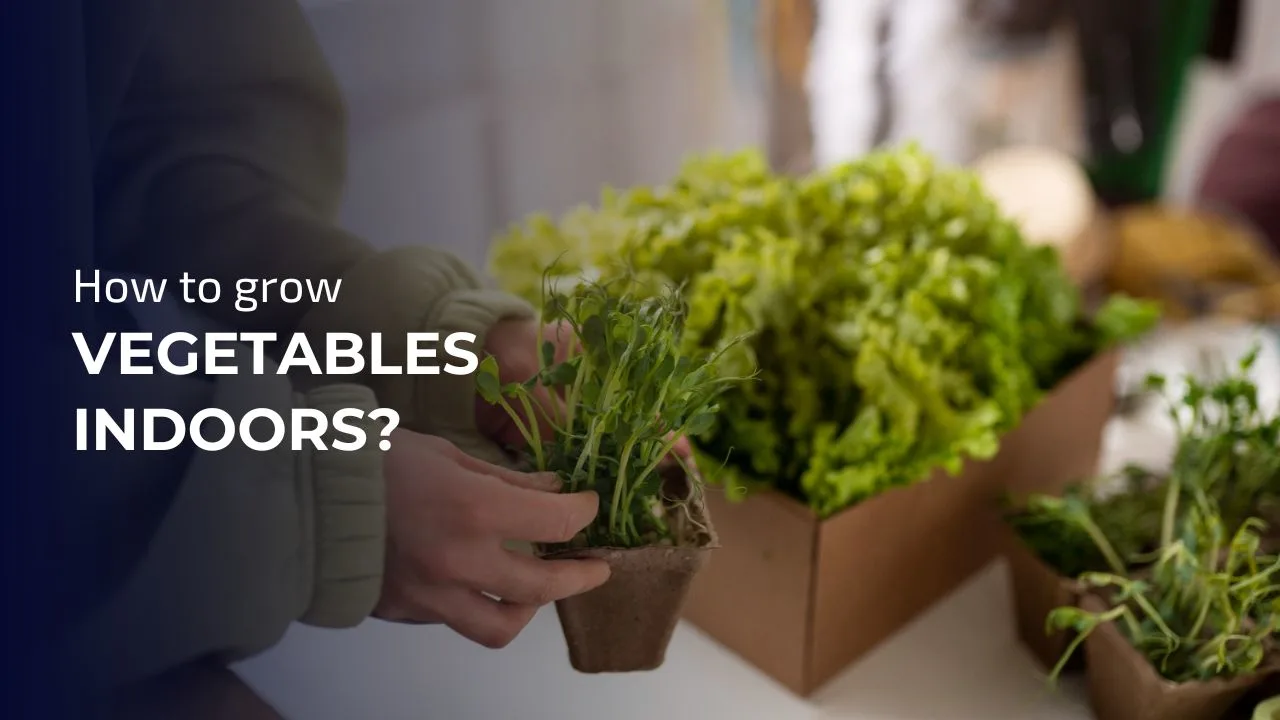
Growing food indoors is a great way to enjoy fresh vegetables and herbs all year round, even without a backyard. Beginners can start with easy-to-grow plants like lettuce, spinach, or herbs, which require minimal space and care. Choosing the right containers and quality soil will help your plants thrive and produce consistently.
Lighting plays an important role in indoor gardening, so placing plants near a sunny window or using grow lights can ensure healthy growth. Regular watering and monitoring the temperature will keep your vegetables strong and productive. With a little patience and attention, anyone can create a small but thriving indoor garden at home.
What Are the Easiest Vegetables to Grow Indoors?
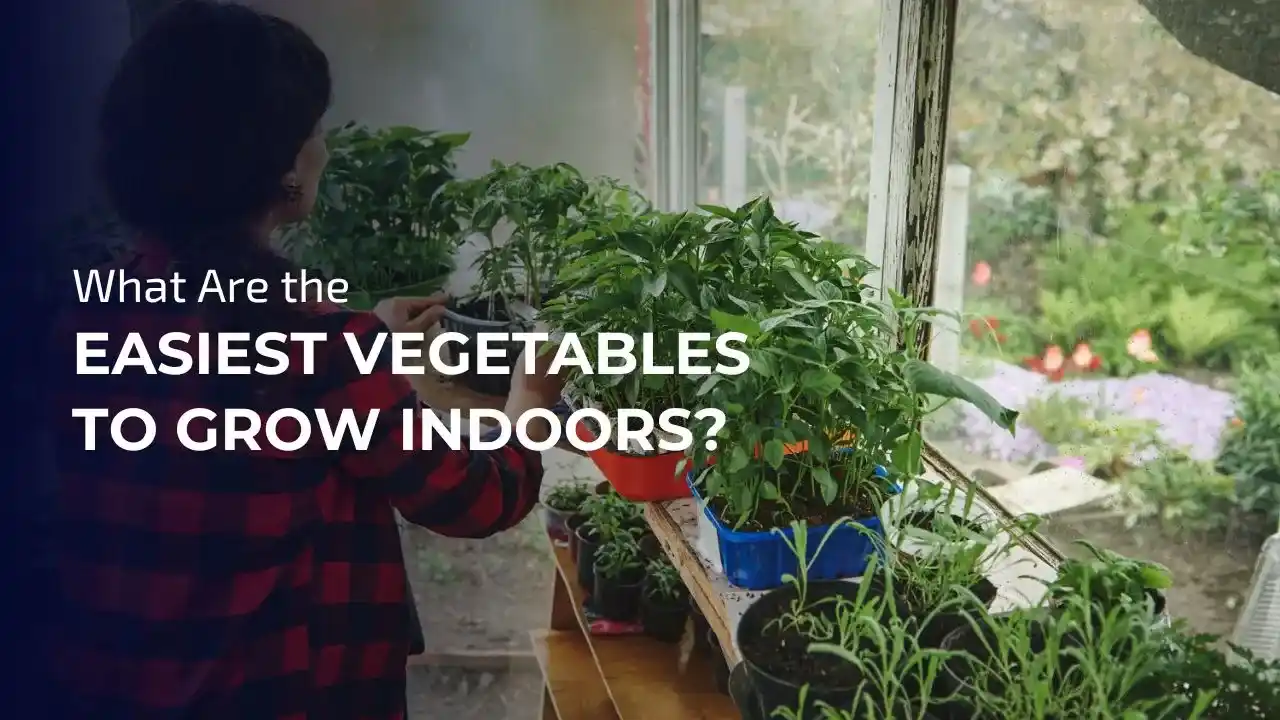
Here are some of the easiest vegetables you can grow indoors and how to help them grow well:
- Lettuce: It grows quickly and doesn’t need much space. Just keep the soil slightly moist and place the pot near a bright window. Trim the outer leaves often so new ones can grow back faster.
- Spinach: This leafy green thrives in cool rooms and grows well in pots. Ensure it receives steady light each day, and feed it with a mild liquid fertilizer every few weeks.
- Radishes: They’re small, fast-growing, and perfect for beginners. Use a deep container with loose soil so the roots can expand easily. Keep them slightly damp but never soaked.
- Green onions: You can even regrow them from kitchen scraps. Pop the white ends in water until they sprout, then move them into soil for steady growth. Give them a sunny spot and a light misting every day.
- Herbs like basil and mint: These are brilliant for adding fresh flavour to your meals. They love bright light and a bit of warmth, so a sunny kitchen window works best. Pinch off the top leaves often to help them stay bushy.
Tips for Growing Vegetables Indoors
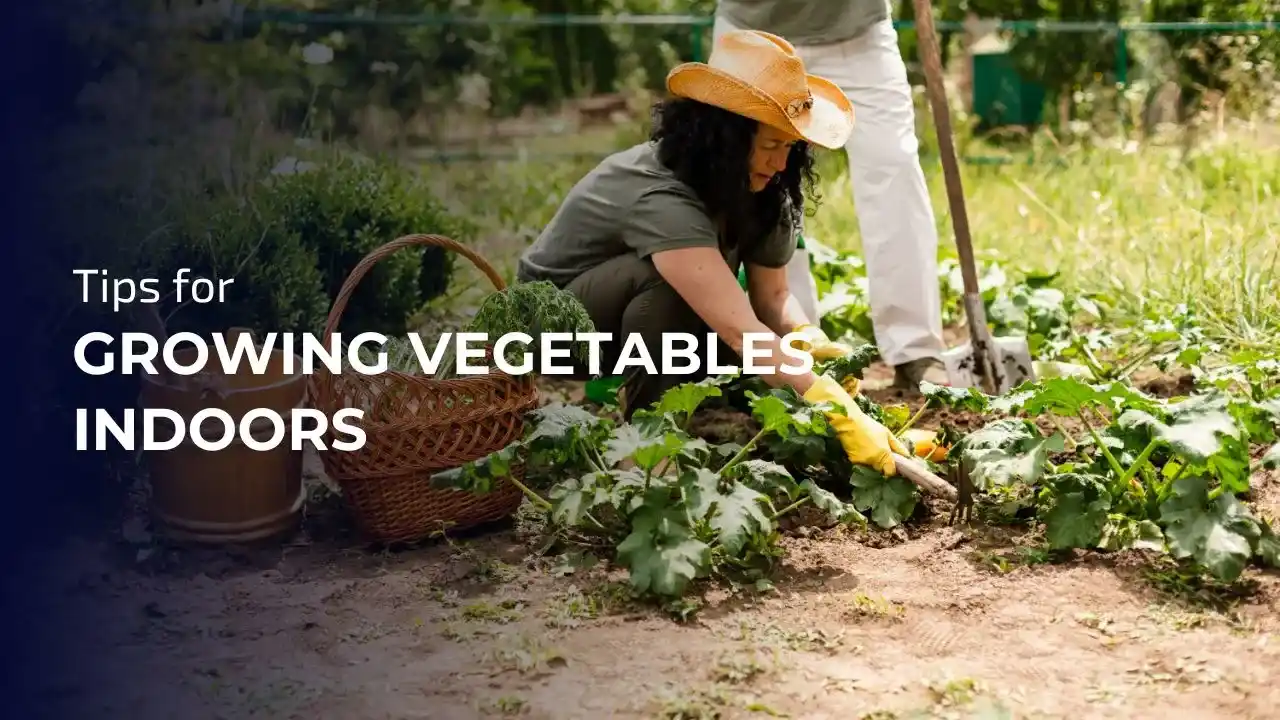
How can you make your indoor vegetables grow strong and healthy? Growing vegetables indoors can be easy and fulfilling when you know a few helpful tricks. By creating the right environment and staying consistent with care, your plants will reward you with fresh and flavourful produce. Here are some simple yet effective tips to help your indoor garden flourish:
- Choose the right spot: Place your plants near a sunny window or use grow lights to give them enough light each day.
- Use quality soil: Pick a nutrient-rich potting mix that drains well and supports healthy root growth.
- Water carefully: Keep the soil slightly moist but avoid soaking it; too much water can make the roots weak.
- Keep the temperature steady: Most vegetables like a mild indoor climate, so avoid placing them near draughts or heat sources.
- Feed your plants: Add a light liquid fertiliser every few weeks to give your vegetables the nutrients they need to grow well.
- Trim and tidy regularly: Remove any dry or yellowing leaves to keep your plants neat and healthy.
- Rotate the pots: Turn them every few days so all sides get equal light and grow evenly.
- Be patient or wait: Indoor gardening takes time, but watching each seed grow into something you can eat makes it truly rewarding.
Is It Possible to Grow Vegetables Indoors Without Sunlight?
Yes, it’s entirely possible to grow vegetables indoors without natural sunlight. With the help of good-quality grow lights and proper care, your plants can still stay healthy and produce beautifully.
The Role of Sunlight in Indoor Vegetable Growth
Sunlight gives plants the energy they need to produce food through photosynthesis. When your vegetables receive enough natural light, they grow stronger, greener, and more flavourful. You’ll notice that plants placed near bright windows tend to look fuller and healthier, almost as if they’re enjoying the sunshine just like we do.
Growing Without Sunlight: Can It Still Work?
If your home doesn’t get much natural light, you can still grow vegetables using artificial grow lights. These lights mimic the warmth and brightness of the sun, helping your plants develop properly even in darker corners. Leafy greens such as spinach, lettuce, and herbs do particularly well under grow lights, and with steady care, they’ll continue to grow beautifully indoors.
What Should You Consider When Buying Seeds?
Here’s a neatly organised table showing what you should consider when buying seeds for your indoor garden:
| Factor | What to Look For | Why It Matters |
| Seed Type | Choose varieties suited for indoor growing, such as lettuce, herbs, or cherry tomatoes. | Indoor-friendly seeds adapt better to limited space and light. |
| Germination Rate | Check the percentage on the packet (usually above 80%). | A higher rate means more seeds will successfully sprout. |
| Seed Freshness | Always look for the packing and expiry dates. | Fresh seeds are more likely to grow quickly and healthily. |
| Supplier Reputation | Buy from trusted seed companies or local garden centres. | Reliable suppliers ensure better-quality and disease-free seeds. |
| Growing Conditions | Match seeds to your indoor conditions (light, temperature, humidity). | Properly matched seeds grow faster and with less effort. |
| Organic or Non-GMO Options | Choose organic seeds if you prefer chemical-free produce. | These are healthier for both you and the environment. |
| Plant Variety | Pick compact or dwarf varieties for small indoor spaces. | Smaller plants fit well in containers and require less maintenance. |
| Harvest Time | Check how long it takes for the plant to mature. | Helps you plan your growing schedule and enjoy regular harvests. |
How to start vegetables indoors?
Growing vegetables indoors can be simple and fun if you follow these steps carefully. Here’s a clear step-by-step guide to help you get started:
Choose Your Vegetables: Pick easy-to-grow varieties like lettuce, spinach, radishes, or herbs. These are perfect for indoor conditions and give quick results.
Select Containers: Use pots, trays, or small planters with drainage holes. Proper containers prevent waterlogging and keep roots healthy.
Use Quality Soil: Fill your containers with nutrient-rich potting mix. Avoid garden soil as it may be too heavy or contain pests.
Plant the Seeds: Sow seeds according to the instructions on the packet. Cover lightly with soil if required and press gently.
Provide Light: Place containers near a bright window or use grow lights to ensure 12 to 16 hours of light each day.
Water consistently: Keep the soil slightly damp, but do not overwater. Check daily, especially in dry indoor conditions.
Maintain Temperature: Most vegetables prefer a mild indoor climate around 18 to 22 degrees Celsius. Avoid draughts or placing plants too close to heaters.
Thin Seedlings if Needed: Once sprouts appear, remove the weaker seedlings to give stronger ones more space to grow.
Feed the Plants: After a few weeks, use a mild liquid fertiliser to encourage healthy growth.
Harvest Carefully: Pick leaves or vegetables as they mature, starting with outer leaves. Regular harvesting encourages new growth and keeps plants productive.
10 Best Vegetables to Grow Indoors
Here are some of the best vegetables you can grow indoors, and trust me, once you start, it becomes a lovely little habit that brings both colour and freshness into your home.
Carrots
These are fun to grow and don’t take much effort. Just choose a deep container and keep the soil soft and slightly damp. You’ll start to see their bright green tops before long, which always feels rewarding.
Garlic Greens
Perfect for adding flavour to your meals, garlic greens grow from simple cloves planted in soil. Keep them near a sunny window and trim the shoots when they’re about six inches tall for a fresh, mild garlic taste.
Hot Peppers
They enjoy warm spots and plenty of light. Place them near a sunny window or use a grow light, and you’ll soon have cheerful, colourful peppers ready to spice up your dishes.
Lettuce
One of the easiest vegetables to grow inside. It loves gentle light and regular watering. You can pick the outer leaves as they grow and enjoy fresh salad greens again and again.
Microgreens
These tiny plants are packed with nutrients and grow very quickly. Scatter the seeds in shallow trays, mist them daily, and within two weeks you’ll have a tray full of vibrant greens to top your sandwiches or salads.
Scallions
Also known as spring onions, they’re easy to grow from kitchen scraps. Pop the white roots in water for a few days, then plant them in soil. They’ll keep growing back after each cut.
Tomatoes
These need a bit of care but are truly rewarding. Use a sunny window or a grow light to keep them warm, and soon you’ll see tiny flowers that turn into sweet, juicy tomatoes.
Potatoes
You can grow these from sprouting spuds at home. Plant them in a deep pot filled with rich soil and keep adding more soil as the stems rise. The result is a satisfying harvest of homegrown potatoes.
Radishes
They grow quickly and are perfect for beginners. Make sure they get enough space and consistent light, and in just a few weeks, you’ll have crisp, colourful radishes ready to pull from the soil.
Arugula
This leafy green has a lovely peppery taste and grows well in pots. Keep it slightly moist and give it steady light for the best flavour. You can start snipping the leaves young for a soft, fresh taste in salads.
Final Thoughts
Have you ever imagined growing your own fresh vegetables right inside your home? With the right approach and a little care, growing vegetables indoors can be both enjoyable and rewarding. Much like how a Real Estate Agent UK helps you find the perfect space to live, this guide helps you create the ideal indoor environment where your plants can grow beautifully and flourish all year round.
Frequently Asked Questions
Begin by choosing easy-growing vegetables, using quality potting soil, and placing your plants where they receive enough light and warmth for steady growth.
Place your plants near natural sunlight during the day and use grow lights in the evening to extend their exposure for healthy fruit production.
You must use compact containers, vertical shelves, and grow lights to make the best use of limited space while keeping the setup bright and organized.
Yes, with consistent lighting, proper temperature, and regular care, indoor vegetables can flourish beautifully throughout the entire year.
Our Agents

Adil Saleem

Qaiser Masood

Rizwan Ashraf
Leave a Reply