

Dilapidation Survey Costs and Schedule of Dilapidations In The UK
Cracks, leaks, and structural damage can lead to conflicts and disagreements between property owners and residents if there is no proof. That’s why they need to arrange a detailed Dilapidation Survey to assess the whole property at the end of the residents’ lease or contract. These reports act as evidence and clearly define the actual condition with photos and notes.
If you also want to protect assets from unnecessary costs and damage, then Real Estate Agents London is always here to serve you. With our responsible Property Management Services team, your properties remain in good condition throughout the tenancy.
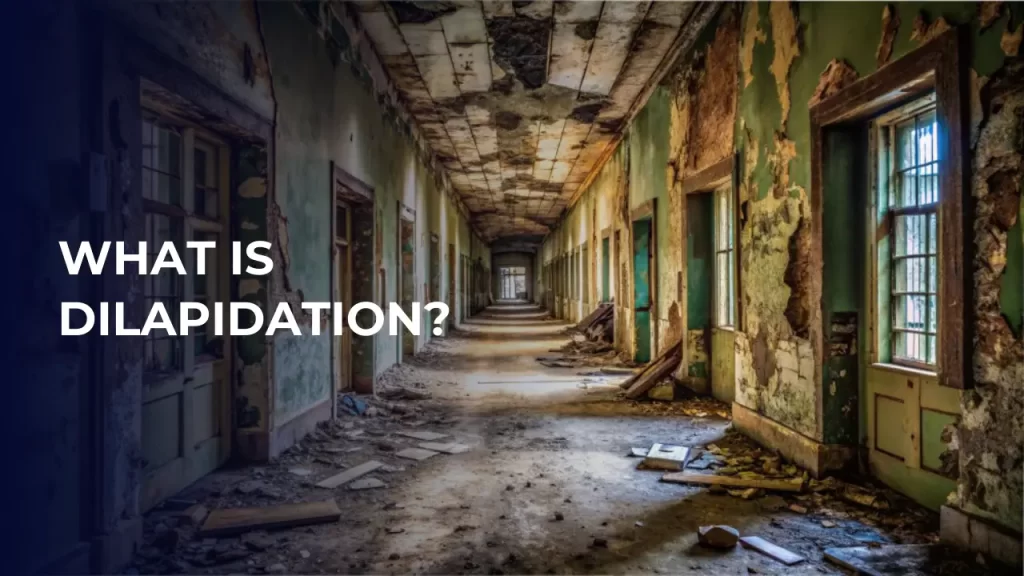
What Is Dilapidation?
“A term used to describe deterioration or damage to rental property” is dilapidation. Under the leases, the Dilaps can be caused by:
- The occupant’s neglect towards maintenance and upkeep
- Property age (how old the building is)
- During the improvement to the property’s appearance
- Uncontrolled things, such as leaks, weather conditions, poor infrastructure, and natural decay.

What is a Dilapidation Survey?
Dilapidation or “Schedule of Dilapidation” is a detailed assessment of the property that landlords or property managers arrange. A professional surveyor carried out these inspections to provide essential evidence in the form of a dilapidations report. They examine the building, take photographs, and note any existing damage or defects.
When the Schedule of Dilapidations Required
Homeowners and tenants use this method of examination to assess property condition and understand repair obligations:
- Before a new tenancy begins
- When a lease is coming to an end (at the end of the lease)
How Landlords and Tenants Benefit from these End Lease Surveys
| For Landlords | For Tenants |
| Ensures the property is returned in the agreed condition | Clarifies responsibilities for property upkeep |
| Identifies damage, wear and tear, or alterations | Shows required repair or restoration work |
| Highlights issues not aligned with lease terms | Helps prepare before handing the property back |
| Protects against disputes at lease end | Helps avoid unexpected costs or disputes |
What Does a Dilapidation Report Include?
Once the inspection is done and the documents are complete, property owners or managers will be provided with a report covering:
| Category | Details |
| Structural & Surface Issues | Wall/structure cracks, holes, blemishes, and damage to surfaces |
| Moisture & Decay | Mould, stains, damp, decay |
| Plumbing & Fixtures | Plumbing conditions, damages to fixtures/fittings |
| Ventilation & Safety | Ventilation, assessment of fire exits |
| Defects & General Condition | Defects, assessment of accessible areas |
| Inspection Documentation | Time of completion, weather conditions, areas examined |
| Tests & Results | Details of any specific tests included and their results |
| Important Note | Survey reports the condition of the property; not a market valuation |

How To Carry Out A Dilapidation Survey
The end-of-lease survey process involves the following steps :
Initial Assessment
In the first step, professional surveyors review the lease agreement to determine the stated conditions. Examine the property at a glance is also a part of their initial assessment.
Detailed Property Inspection
After the initial assessment, they conduct a detailed inspection to ensure that every issue is identified. They check every room, nook and cranny, and accessible areas of property, including:
- Boundaries and communal areas
- Interior, such as rooms, floors, and ceilings
- Exterior, such as wall and floor coverings
- Structural elements
Documentation and Evidence Collection
In the next step, they record the building’s state to create an accurate report. There are many methods for documentation, including:
- Photographs of every area
- Detailed written notes and descriptions of all defects
- Sometimes use video recording to show the overall condition
Report Preparation
After inspections, they compile all findings into a comprehensive report. These documents provide:
- Necessary recommendations for repair and maintenance
- Detailing contract breaches
- Additional repair costs
Final Assessment and Negotiation
These written reports serve as a basis for negotiation once presented to every party involved. Reports can also be used to:
- Address disagreements between the landlord and the tenant
- Finds solution
- Handle disrepairs timely

How Much Does a Dilapidation Survey Cost?
The cost of the lease-end assessments depends on various factors. But for a rough estimate, it can be:
- Cost of a schedule of dilapidations: £900-£5,000 (can be higher for large buildings)
- Access Equipment (if required): around £400-£500
- Negotiation Fees: approximately £2,000 (varies with size and compliance of the schedule)
- Project Management Costs: at least 10% of construction costs (depends on claim size)
Factors That Impact the Cost of a Lease Defects Survey
The actual cost of dilapidated assessment depends on the following points:
Type of Building
Simpler open-plan buildings, such as industrial units, take less time than other units. However, buildings like retail and office are difficult and time-consuming due to complex layouts and materials. This complexity factor affects the overall survey’s charges.
Size of the Building
The larger the building, the longer it will take surveyors to conduct and prepare a report. This obvious reason increases the schedule of dilapidation costs.
Tenant’s Lease Obligations
For Simple leases, surveyors are required to assess only specific internal areas and elements. On the other side, there are Onerous leases that cover all aspects of building. These require detailed assessment and thus have higher costs.

Why Dilapidation Surveys Are Essential
These assessments are of high importance, especially as the end of the commercial lease term approaches. Because it defines the current condition and highlights issues for improvement. Besides that, you also get a list of disrepair and breaches of contract that tenants are responsible for.
Moreover, with a clear picture of the asset through surveys and the ability to analyse and repair minor or major issues, landlords can assess the overall market value. Not only this, but they can also build a transparent rental relationship with tenants when both understand the property’s condition at the outset.
Last but not least, proper documentation prevents disputes and clarifies obligations towards damages caused. That means it’s the solution to conflicts that arise over who is responsible and how to fix certain issues.
Schedule of Dilapidation vs Schedule of Conditions
| Schedule of Condition | Schedule of Dilapidation |
| Forms part of the lease agreement | Prepared by the landlord or surveyor |
| Records the property’s condition at a specific time | Lists outstanding repairs and reinstatement items |
| Notes existing defects before occupation or works | Covers repair, legal compliance, and decoration |
| Helps prevent disputes between landlord and tenant | Suggests remedial works and may estimate costs |
| Can limit the tenant’s repairing liability | Supports the landlord’s claim for reinstatement costs |
Conclusion
Dilapidation surveys protect rental properties before, during, or at the end of leases. After the assessment, the inspector provides a detailed report on every corner of the property. Many landlords and residents benefit from these reports and Property Asset Management services to prevent disputes and handle repair or maintenance.
FAQs
Mostly, surveys of residential properties take 2 to 4 hours. But you get reports within 5 to 10 working days.
Your presence is not necessary, but it can help. You can ask questions directly and point out some concerns on the spot.
Dislapiation surveys assess the current condition and provide a detailed report for final assessment and review later. On the other hand, building surveys focus on the overall condition of the building for purposes of purchase decisions.
You have a detailed surveyor’s report that provides evidence for negotiation, mediation, and steps to take legal action if necessary. Carefully read it and take your next step.
If a survey is conducted for residential property, landlords and tenants pay for it. Residents arrange to protect themselves at the end of the lease, while property owners conduct an assessment of the whole property.
This is a basic inspection of older properties. Surveyors check roofs, electrical systems, heating and plumbing to ensure safety.
This type of survey is also categorised into a detailed property assessment, but it’s less than a full structural examination. It includes checking only the main elements, defects, or damages, especially for insurance purposes.
Our Agents

Adil Saleem

Qaiser Masood

Rizwan Ashraf
Leave a Reply